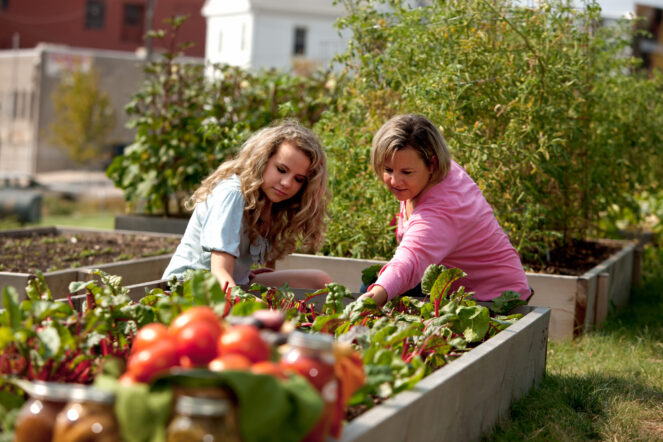
Priya had first come to the Eikon Hopes and Dreams Garden Club completely by chance. One afternoon, she overheard a classmate saying they were heading there, and on a whim, she decided to tag along. She only stayed for five minutes that day, but something about the place stuck with her. The next week, she went back, and then the week after that. Before long, it became part of her routine.
At first, she attended with her friend, but when they stopped coming, Priya didn’t. By then, she had made her own friends at Garden Club, and she realised she didn’t need anyone to bring her along; she could just show up, and there would always be people she knew and felt comfortable with. It was a space where she felt she truly belonged.
She started attending the Monday lunchtime sessions, which were quieter and just for Year 7s. It was especially nice in the winter; Priya remembered one year when it was particularly freezing outside, being in a warm, friendly space made all the difference. Later, as older students moved on, she joined the Thursday group too. At one point, she was attending four times a week.
She still found time for the Tuesday and Wednesday sessions, right up until Year 10. As she grew older, Priya visited less often – revision and other commitments kept her busy – but every time she returned, she enjoyed the change of scene. Garden Club was still on school grounds, yet it felt completely different. It was a safe space, somewhere she could relax, feel accepted, and just be herself.
What Priya loved most was the atmosphere; she says, “There are rules, but it’s not like a classroom. We call staff by their first names, which makes it feel more friendly and equal, not like talking to a teacher, but to someone who’s there to listen and support you. It’s just a completely different vibe, and it really helps you to feel comfortable. There are sofas, it feels relaxed, and you can just be yourself.”

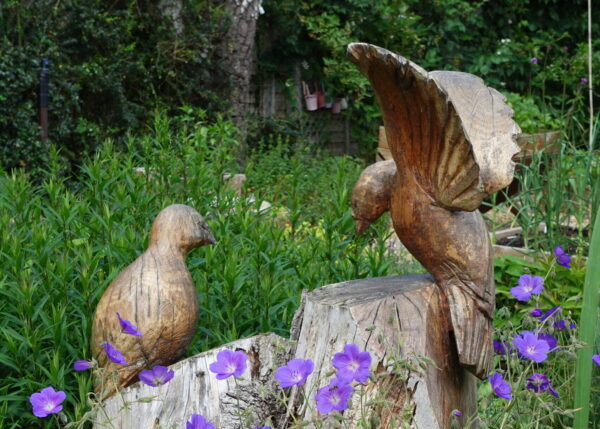
The Owl Garden Project
Priya first heard about the Owl Garden back in Year 7. It had been designed by Eikon young people for an RHS Wisley competition, which they had won. Priya explained:
“I always loved the story behind it – that it represents a journey from darkness to light. The idea is that you could start off your journey in a darker place where the plants in this area are darker in colour, and everything is quite sharp.
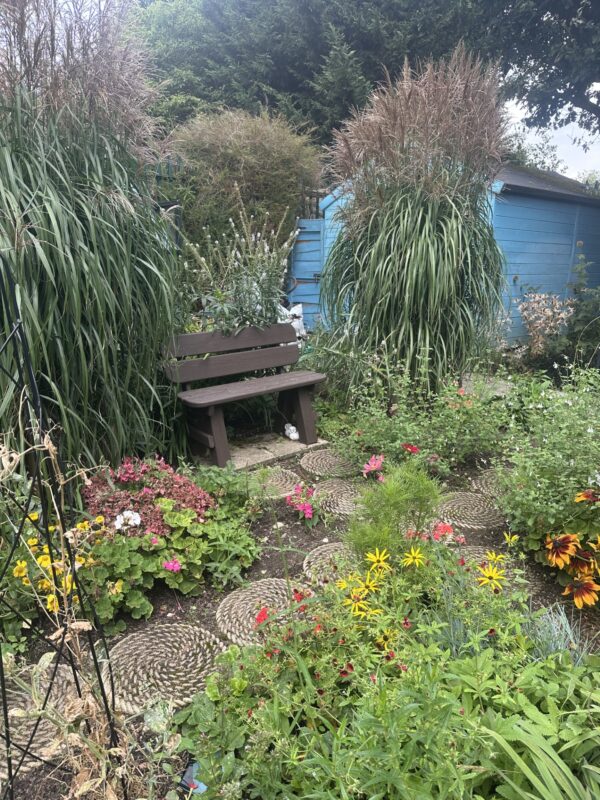
There are seats in both sections of the garden; however, in the dark garden is a seat for one. It’s a time to reflect. You walk on the path through, and the path is specifically designed in a swirl shape to kind of like take you around, so you can slow down.
And you go through the archway, and then there’s paths in it symbolises a crossroad and then you pass through into the light garden where the plants are like a lot brighter, and they’ve got more colours and it’s meant to be like softer textures, and then there’s a seat for two people, so you can share it with a friend.”

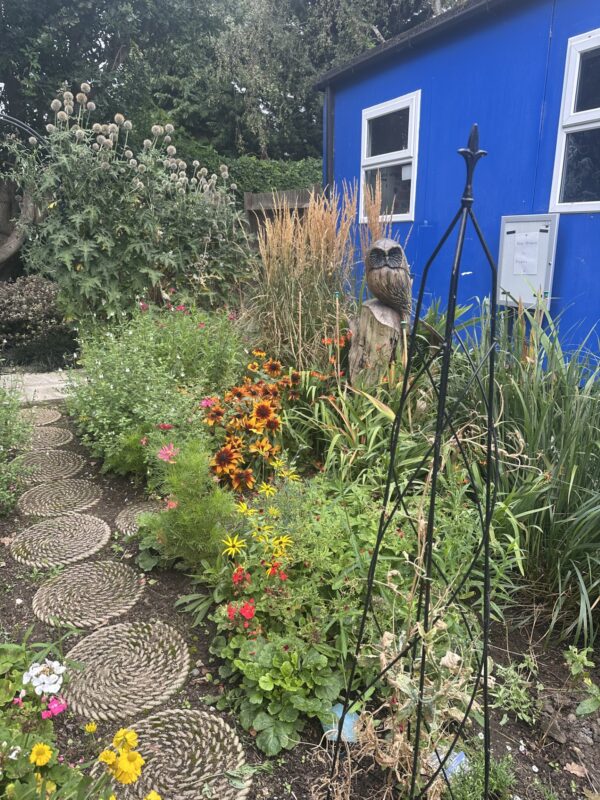
Years later, Priya helped bring the Owl Garden back to life. It hadn’t been redone since it was first created, and it needed care. “I wanted it to feel alive again,” she said. She took charge of the light garden while the dark garden had thrived on its own, its plants self-seeding. Priya researched, checking the RHS Wisley website for plants that would suit the soil and space. She made sure they weren’t poisonous, and discussed her choices with an Eikon garden volunteer before finalising the list.
Then came the hard work, weeks of weeding, digging, and replanting. Some plants had spread too far, so she dug them up and moved them. “It was hard work, but fun, especially because I was doing it with a bunch of my friends ” Priya explained.
Her favourite plant was a big red hydrangea with pom-pom-shaped flowers. “It’s so pretty,” she said proudly. In summer, it bloomed brilliantly, and during Open Garden Day, visitors stopped to admire it. Priya gave tours, explaining the symbolism of the design. “Seeing people so interested in the story and the design of the garden made me feel really proud of what I had accomplished.”
For Priya, the Owl Garden was more than a project. It was a safe space, a place that told a story of resilience and hope.
“You start in the dark, but you don’t stay there,” she said. “You keep walking, and eventually, you find the light.”
Find out more about our Eikon Garden of Hopes and Dreams here, and if you would like to learn more about becoming a Garden Club Volunteer, check out our volunteer opportunities.